Italy and Sudan together for enterprises with high social impact: the launching of the 2nd MBA in Global Entrepreneurship

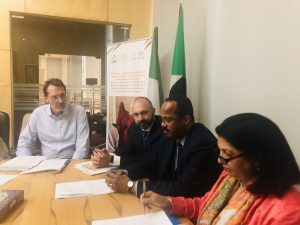
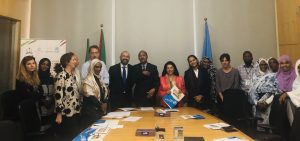
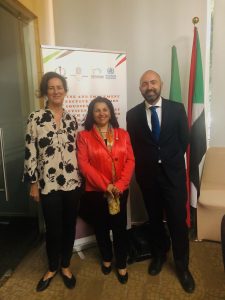
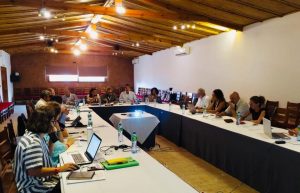
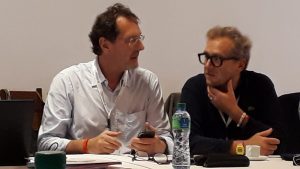
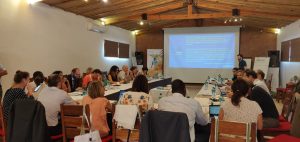
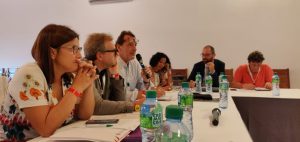
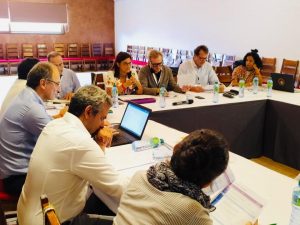
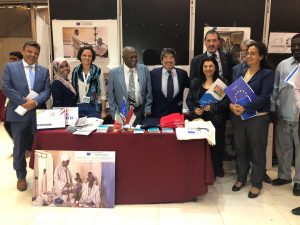
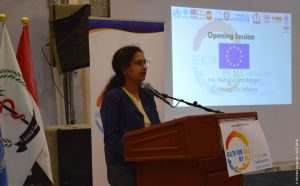
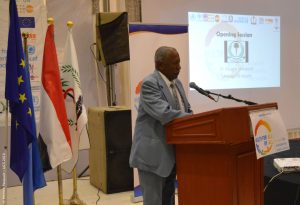
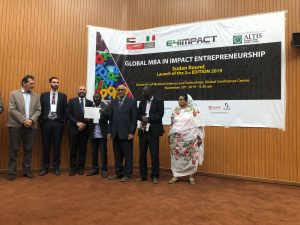
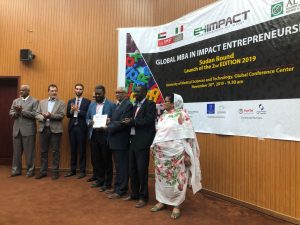
On November 30h, the launching of the 2nd edition of the Italian-Sudanese MBA in Global Impact Entrepreneurship took place at the University of Medical Sciences (UMST) in Khartoum with the aim of sustaining aspiring entrepreneurs to start up or scale-up businesses that combine economic profitability with high social and environmental impact.

Following the success of the first edition, the 2020 MBA Edition will benefit from the support of the E4Impact Foundation of the Catholic University in Milan, ALTIS (School of Business and Societies), the Italian Agency for Development Cooperation (AICS), the Italian Embassy in Khartoum and is funded by companies such as VueTel and CTC Group.

“The 1-year MBA – implemented between Khartoum and Milan – is based on two main cornerstones”, added the Italian Ambassador Gianluigi Vassallo. “On the one hand it boosts a generation of new entrepreneurs through the development of trainings, incubators and coaching activities, on the other it supports Sudanese entrepreneurs to be key actors of their future and to support their own country through new ideas and the promotion of social inclusion of the most vulnerable. What is not inclusive is not sustainable”, concluded the Ambassador.

The representative of AICS Khartoum Vincenzo Racalbuto recalled that, as for the past edition, the Italian Agency for Development cooperation – though TADMEEN initiative – will guarantee the full coverage of eight scholarship (for 6 women and 2 disables). Our goal is to be aligned with the slogan “Leave non one behind” and with the SDG #4 and #8 aimed at boosting education, inclusive socio-economic actions and access to financial services for all.

The Director of the programme dr. Fabio Petroni recalled the importance of promoting a portfolio of entrepreneurship programs in 11 African Countries with the aims of training entrepreneurs in order to support start-up and businesses growth.

Finally, the director of UMST Hassan M. Ahmed expressed his deep gratitude to Italian Institutions and E4Impact Foundation for supporting and investing into the courage of young Sudanese entrepreneurs, actors of the new Sudan.
Sudan step up efforts with health partners to fight against child malnutrition

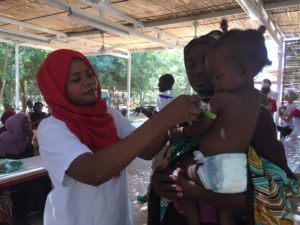
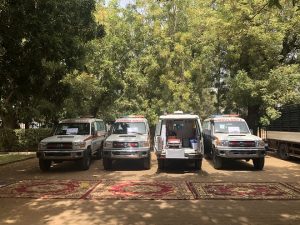
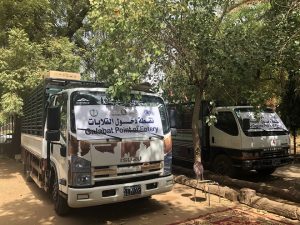
The World Health Organization (WHO), Sudan Federal Ministry Of Health, and Italy launched the project of defining and implementing effective nutrition counselling and practices at primary health care level to reduce stunting and wasting in Sudan.
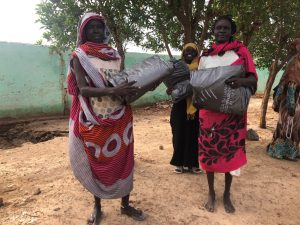
The project will be implemented by WHO in partnership with the FMOH through the generous contribution of €1,5 million euros granted to nutrition in Sudan by the Government of Italy.

“Italy is committed to strengthening the health care system and to fighting malnutrition in Sudan. Our Country is currently implementing - through AICS – a number of projects in the Health Sector equivalent to 62% of the total budget allocated to Sudan”, stated the Italian Ambassador. “As Donor Convener for the UN SUN Movement since 2017, we must explore new ways to embed nutrition in all relevant sectors ranging from health, to water and sanitation, education and social protection systems”. He added as well that improving health awareness and knowledge is just one, albeit crucial, step to start fighting malnutrition.
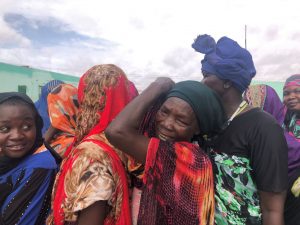
‘The road to nutrition isn’t straightforward, and there are many interconnected factors aside from food supply that must be addressed — including linking livelihood opportunities, engaging community members and education in a wider understanding of nutrition interventions”, concluded the Ambassador.

“The Federal Ministry of Health thank Italy and WHO for their continuous engagement in ensuring that children in Sudan, without exception, have access to nutritious, safe, affordable and sustainable foods,” said Dr.  Akram Ali Altoum, Federal Minister of Health in Sudan. “We again stress that the fight against malnutrition is one of the main missions of the Government of Sudan,” Dr.  Altoum concluded.
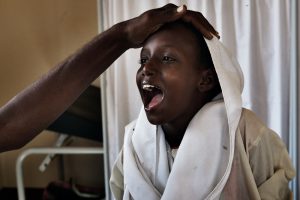
“WHO would like to acknowledge with appreciation the excellent and long-standing relationship with the Italian Government and in particular the efforts in the most vulnerable areas of Gedaref, Red Sea State, Khartoum and Kassala states,” said Dr Naeema Al Gasser, WHO Representative in Sudan and Head of Mission. “Sudan can overcome the nutrition gap by boosting agricultural production, community empowerment with particular attention to vulnerable groups, and by developing comprehensive national food composition tables with more focus on the traditional food to improve appropriate nutritional counselling messages,” Dr.  Al Gasseer explained.

Picture in the front made by Laura Salvinelli

Inauguration ceremony of the Nutrition Unit at the Teaching Obstetric Hospital in Port Sudan

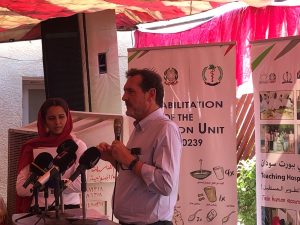
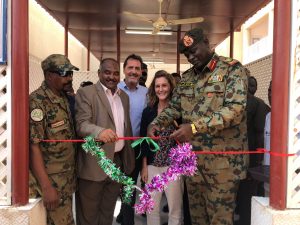
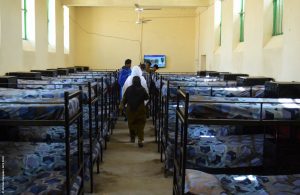
On October 20th 2019, at Teaching Obstetric Hospital in Port Sudan, the Nutrition Unit funded by the Italian Agency for Development Cooperation (AICS) was inaugurated in the presence of the Director General of the Ministry of Health, Dr. Alfatih Rabee, of the Governor of the Red Sea State, H.E. Hafiz Altaj, of the Italian Chargée d'Affaires Valeria Romare and of the AICS Representative Vincenzo Racalbuto, together with representatives of the Hospital. The Italian intervention provided equipment for 15 beds, one kitchen, 3 nutrition clinics, outpatient offices and an external area with veranda for cooking classes for nutrition and health promotion.

At the same time, the inauguration of rehabilitated Central Lab and of Pediatric Hospital (implemented by the Italian Ngo AISPO and University of Sassari, in partnership with the Ministry of Health and funded by AICS) took place. The commitment also included training workshops for nurses and pediatricians, the rehabilitation of 4 general wards, 2 neonatal and respiratory wards and connected facilities such as bathrooms, rest rooms and ambulatories.

“Italy is deeply committed in Sudan through a number of initiatives strengthening the health system: at the moment Italy is implementing - through AICS – a number of projects in the Health Sector equivalent to 62% of its total budget allocated to Sudan” stated the Italian Chargée d’ Affaires, underlying that Italy is deeply committed in the fight against malnutrition and to improve the health system in Sudan. Those interventions are in line with the Italian role as donor convener for the UN Programme SUN - Scaling Up Nutrition - aimed at prioritizing nutrition as central to national development and imperative to improve maternal and child nutrition.  All the efforts will be in line with the Strategy and the Roadmap (2016-2020) in order to achieve SDG #2 “Zero Hunger by 2030” he concluded.
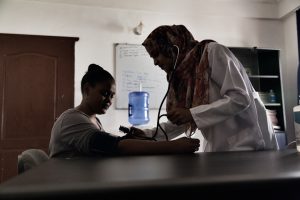
The representative of AICS Khartoum stressed the importance of Sudanese ownership so as to guarantee the sustainability and success of all interventions. The Italian cooperation – he added – is committed in Kassala – Gedaref and Khartoum through a number of initiatives tackling hospital services improvement; primary health care development; and clinical quality.

The Governor thanked the Italian Government for the commitment in enhancing global health security in order to strengthen the response to the population’s needs.

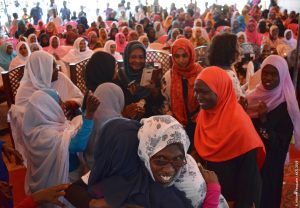
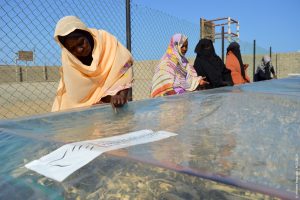
The day has been the occasion to visit as well other AICS funded projects such as TADMEEN project. In particular, AICS has supported almost 60 women with the women prison through the sudanese Women Awareness Raising Group; the women counselling center Dar El Naim providing support and information session on GBV, maternal and infant health and family planning; the women association Al Raidat where 65 women have started micro-entrepreneurship activities through the use of dryers.


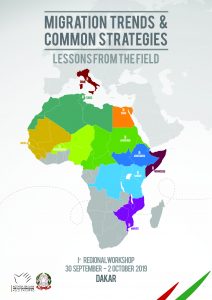
Closure of the regional workshop “Migration trends and common strategies. Lessons from the field”

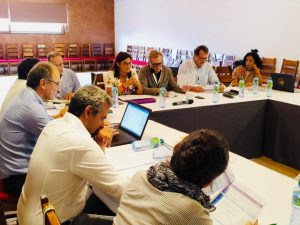
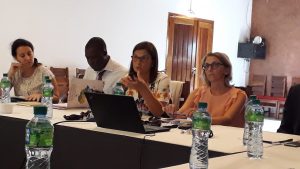
AICS regional workshop “Migration trends and common strategies. Lessons from the field" held in Dakar from September 30 to October 2 has just ended.

The meeting, which brought together AICS African offices of Addis Abeba, Il Cairo, Maputo, Mogadiscio, Nairobi, Ouagadougou, Tunisi, Dakar, Khartoum and Rome’s thematic offices, has provided the opportunity to systemize AICS’ action in Migration and Development programming. The participation of the National Summit of Diasporas, of the EU Delegation, UNHCR, IOM, SDC and Reseau Ndaari allowed to frame the findings of the workshop within the broader international strategic frameworks relating to the Migration-Development nexus.

AICS, and particularly its African offices, operates in contexts where mixed migration flows of asylum seekers, refugees, IDPs and economic migrants are simultaneously factors of development and drivers of humanitarian needs. Acknowledging the complexity of operating in such scenarios, AICS aims to strengthen the effectiveness and coordination of migration-related programming through the adoption of operational guidelines on Migration and Development which will be developed in the coming months.

Italian Agency for Development Cooperation 

Agenzia Italiana per la Cooperazione allo Sviluppo -  Addis Abeba Office
AICS Cooperazione Khartoum con competenza per Eritrea-Camerun-RCA e Chad
Agenzia Italiana per la Cooperazione allo Sviluppo - Cairo Office
Agenzia Italiana per la Cooperazione allo Sviluppo - Dakar Office 
Agenzia Italiana per la Cooperazione allo Sviluppo - Maputo Office
Agenzia Italiana per la Cooperazione allo Sviluppo - Nairobi Office
Agenzia Italiana per la Cooperazione allo Sviluppo - Ouagadougou Office
Agenzia Italiana per la Cooperazione allo Sviluppo - Tunisi Office 

Community Theater in Khartoum: The life at the curve of the Nile

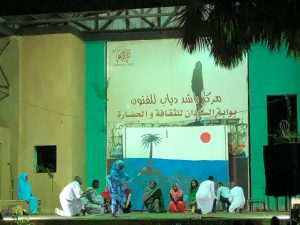
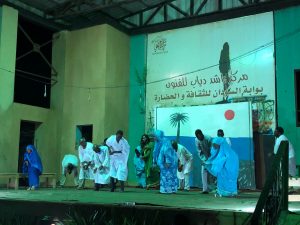
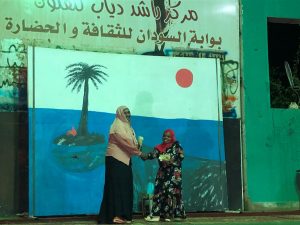
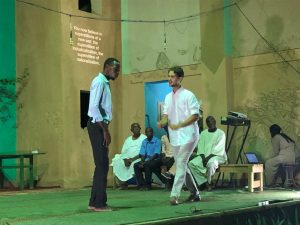
On September 18th in at Rashid Diab Arts Center in Khartoum, the Embassy of Italy in Sudan, the Italian Minister of Cultural Heritage and Activities and the Italian Agency for Development Cooperation, together with PAV, the Sudanese National Theatre and the College of Music and Drama della Sudan University of Science and Technology di Khartoum present the Community Development Theatre Life at the curve of the Nile inspired by a novel of Tayeb Saleh Season of migration to the North.
The goal is – though the Community Theatre - to promote awareness on Italian Cooperation’s priority sectors in Sudan among which
- migration/forced displacement,
- social inclusion
- gender equality and women’s empowerment.
The theater must be used to disseminates messages, sensitize communities about their objective and acting to better their condition. Community theater for sustainable development occurs through the process of using drama and comics to promote developmental values in a given community.
From the ancient times, theater have assumed a considerably potential role as a means employed to stimulate thoughts and to initiate community engagement on issues as diverse as health, education, awareness, ending violence against women and migration while transforming them into actual communicable forms that will help a community re-image its way of life.
The script – adjusted from the original version to nowadays - deals with:
- migration
- gender
Concerning the migration issue, the show is tackling the ‘DOUBLE ABSENCE’ of migrants – their absence within their host society and from their place of origin. This suggests that migration must be constantly legitimated by all concerned, often by economic needs, health or by humanitarian motivations.
Concerning the gender issue, the show is based on three main pillars:
a) the perceptions of European women in foreign societies
b) the FGM
c) the forced marriage
In theater there is a special license: the unsayable can be said, the hidden can be reveled people can cover and discover aspects otherwise overlooked and unknown.

Brochure

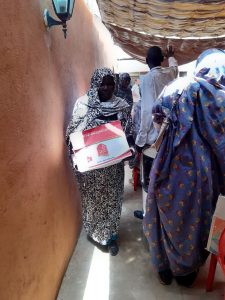
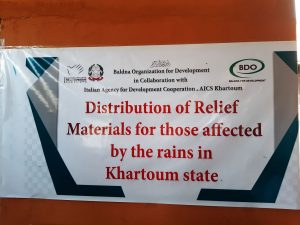
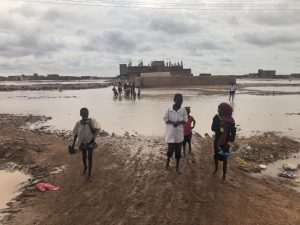
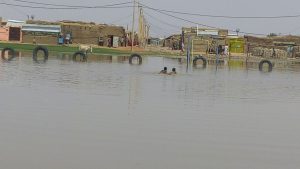
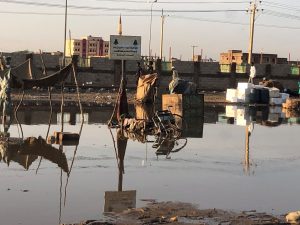
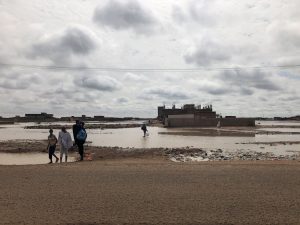
AICS supports families affected by heavy rains and flash floods in Mayo, Khartoum

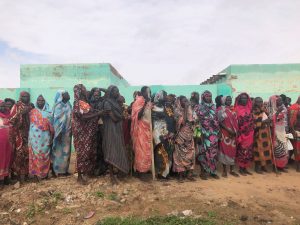
In the last days of the city of Khartoum has been affected by heavy heavy rains: many neighborhoods became inaccessible, including Mayo, one of the poorest in the capital, with a population of approximately over 600,000 people.

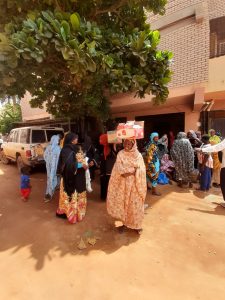
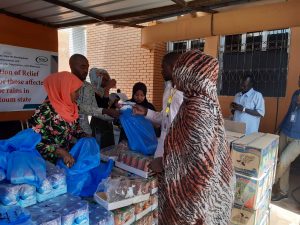
AICS Khartoum - in order to support the area - provided 500 plastic tarpaulins for the families whose house has been destroyed by the water and has secured food for more than 1000 families affected by the humanitarian crisis.

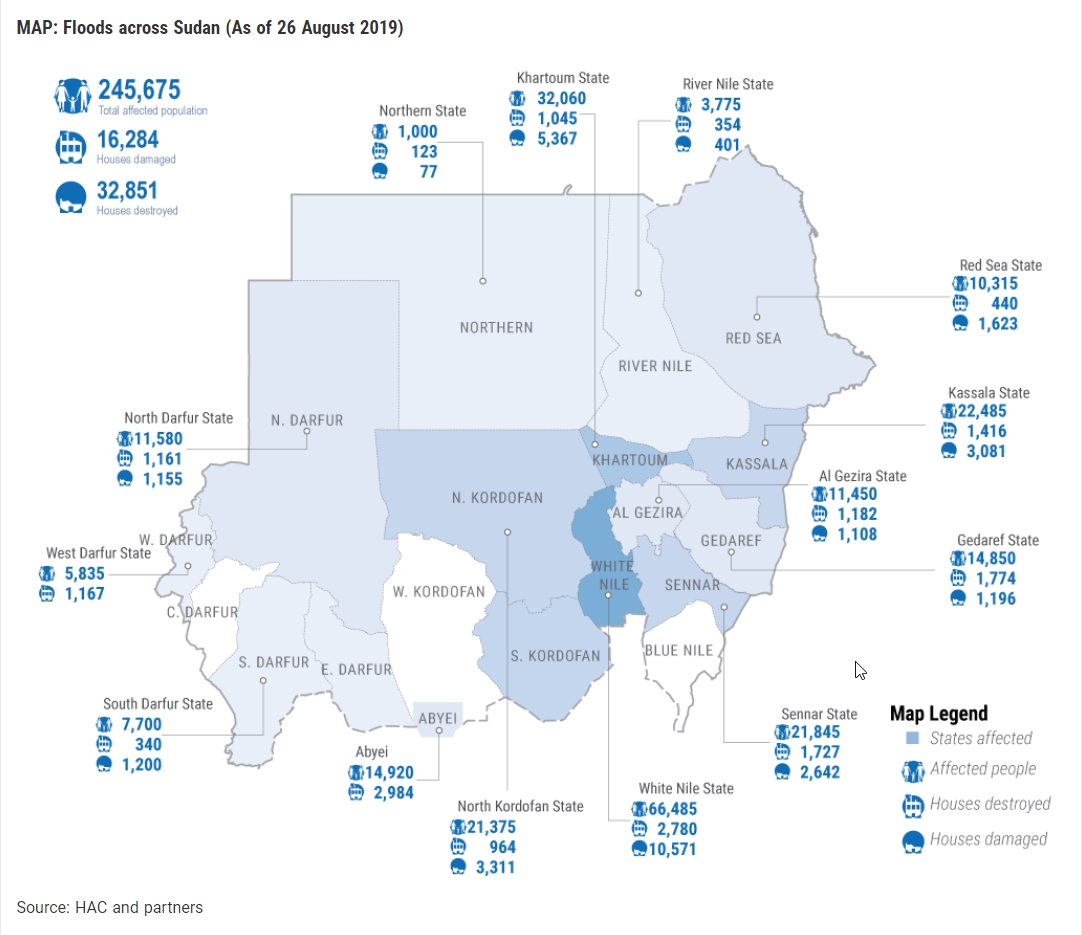
The OCHA report on the humanitarian situation in Sudan has confirmed that following  heavy rains and floods of recent weeks, the emergency situation is becoming dramatic . It is estimated that the number of people affected is equal to 245,700, exceeding the 222,644 affected in 2017. The Sudan Humanitarian Aid Commission (HAC) reported 59 deaths related mainly to the collapse of buildings, while 32,581 structures were destroyed and 16,284 suffered serious damage.

Maps: click here


August 19th 2019: The Family Health approach in Sudan

On August 19th- a day after the signature of the Constitutional Agreement in Sudan – Italy has launched – in partnership with the Federal Ministry of Health and the Public Health Institute (PHI) – the first workshop on the family health approach in Sudan in the presence of H.E. Suleiman Abdalgabbar Abdullah Bakheit - Undersecretary of Federal Ministry of Health; Mr. Abd Elhakim H. Nugud - Director of the Primary Health Institute, H. E Fabrizio Lobasso, Ambassador of Italy in Sudan and Vincenzo Racalbuto, Director of the Italian Agency for Development Cooperation in Khartoum.

Italy is working together with Sudanese Institution in order to support the development of Health System: Italy is deeply committed in Sudan through a number of initiatives – also funded by the EU Trust Fund initiative - promoting the strengthening of health system in line with the Agenda for Humanity commitment “Leave no one behind” and in order to strive for the achievement of the SDG 3 “Ensure healthy lives and promote wellbeing for all at all ages” and ensure a real and sustainable development in the long medium-term. Today we are celebrating the kickoff of a new phase aimed at defying a Road Map in order to improve the Family Health strategy as a tool to achieve the Universal Health Coverage.

The workshop has been organised within the 5 M Euro initiative Dictorna, which is boosting the family Health approach model within the health centers across Kassala, Gedaref, Red Sea and Khartoum States in line with the country's National Strategy focused on extending the coverage of essential health services to the entire population, with particular attention to the most vulnerable groups and marginal areas.

The family health is a people centered holistic healthcare approach that can greatly contribute to strengthening primary health care and improving the health of the population.

Arrival of an humanitarian flight in Sudan donated by the Italian Government

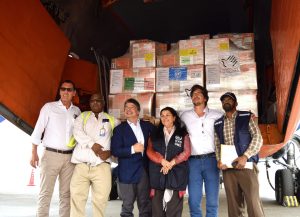
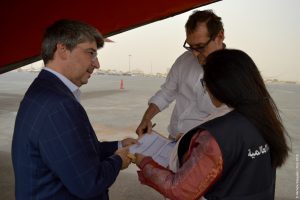
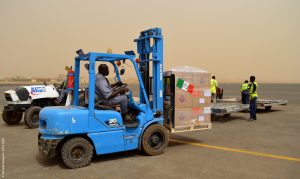
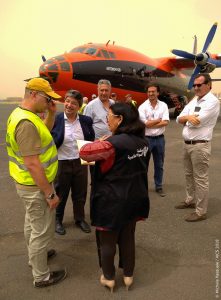
An humanitarian flight coming from the United Nations Humanitarian Emergency Response Center in Brindisi landed today in Khartoum Airport with a cargo of 10 tons of emergency surgical supplies, notably consisting of trauma kits; medical kits; medicines and hospital equipment.

This humanitarian assistance initiative comes from the Italian Government to a request made by the World Health Organization who is on the front line to provide urgent assistance to all the hospitals in Sudan, supporting national, following the violence occurred during last clashes in the country.

The humanitarian supply will contribute timely to the serious needs registered in the Sudanese hospitals, said Ambassador Fabrizio Lobasso. In most Sudanese hospitals, the conditions are critical, the health structures continue to suffer great pressure and all the medical staff face a severe shortage in medical supplies and an increase of wounded patients, underlines the Ambassador.

The WHO Representative in Sudan - Naeema Al Gasser - emphasizes the excellent and long-lasting relationship between the UN Agency and the Italian Cooperation. Thanks to this humanitarian flight we will be able to ensure our support in emergency unit at key hospitals in Khartoum and in States across Sudan closely working with Ministry of Health addressing immediate critical gaps, she added.

The medical health supplies will allow Sudanese hospitals to cope - at least in the short term – with surgical and traumatological needs, concluded Lobasso.

Watch Sudan News 25

AICS Khartoum takes part at the EDD 2019 #Think Twice – Address Inequalities

The main focus of the European Development Days 2019 - is Addressing inequalities: Building a world which leaves no one behind in line with the Sustainable Development Goal # 10 aimed at reducing inequalities within nations and the disparities according to the Agenda 2030.

The slogan Leaving No One Behind is one of AICS priority in Sudan.
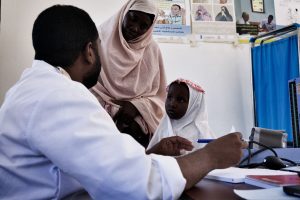
The action of AICS is aimed at:

1. supporting the institutions in increasing the accessibility of public services;

2. developing  inclusive public policies through capacity building interventions and technical assistance;

3. supporting NGOs and civil society associations, combating the phenomenon of social marginalization and facilitating the process of participation in the life of the community.

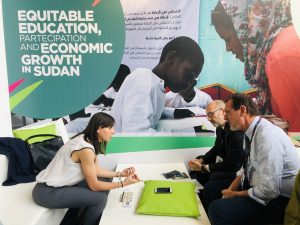
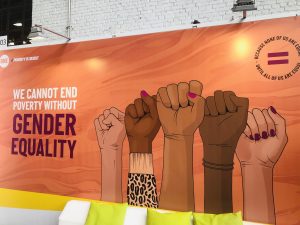
AICS presented TADMEEN: TADMEN is about Social Inclusion, Human Capital Development, Protection of Vulnerable Groups within Migrants, Refugees and Host Communities in Sudan. The initiative aims to promote gender equality, social inclusion and protection of children and persons with disabilities to have equal access to goods and services by increasing resilience through activities of poverty reduction, shared prosperity and human rights in line with SDGs #4#5#8#10 for an equitable education, participation, and economic growth. Italy in Sudan implements projects aimed at strengthening resilience of the most vulnerable.
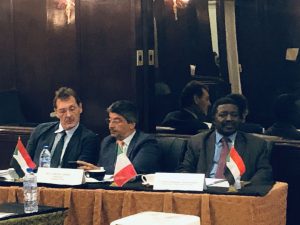
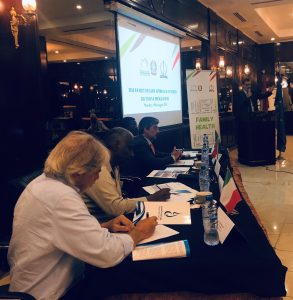
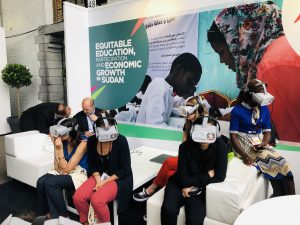
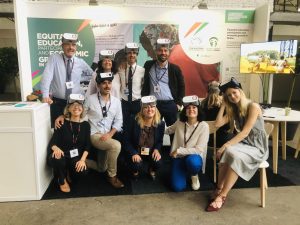
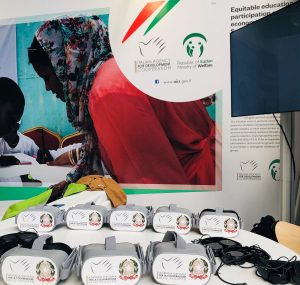
AICS Khartoum projects have been described through the use of a new video technology  which allows every single person to experience a 360° stereoscopic, full body, in motion, immersive experiences for virtual reality.

Wearing the headset, the protagonist can relate with other characters and objects that are an essential part of the story making the content engaging and full of interactions. Movements, gestures, and actions allow us to create effective links between various scenes in the storyline.

This journey around Sudan will last in your memory. This virtual experience will introduce the traveler to a colorful, vibrant, strong and intriguing Sudan.

Coming back from Sudan.... experiences

Minister Sergio Pagano, Deputy General Director DGCS-MAECI

Francesca Folda, Director Global Communication Amani Institute

Officials from ECHO & DEVCO

Olivier Enogo, Director Vox Africa

AICS Khartoum participates to the World Health Day in Sudan #HealthForAll

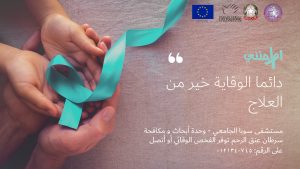
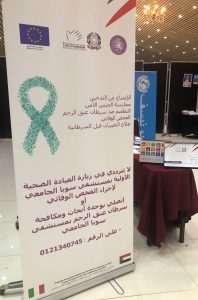
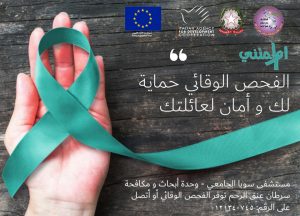
Campaign for the prevention of cervical cancer

Although cervical cancer is a largely preventable disease, it is one of the worst threats to women’s lives, indeed Cervical Cancer is the fourth most common cancer in women, 570,000 new cases in 2018 representing 6.6% of all female cancer, and 266 000 women died of the disease, nearly 90% of them in low- to middle-income countries. Without urgent attention, deaths due to cervical cancer are projected to rise by almost 25% over the next 10 years.
The disease is easily preventable by simple and inexpensive screening (early detection and appropriate treatment). A significant drop in the disease incidence has been achieved in the developed countries as a result of extensive screening programs.
In Sudan the exact incidence of the disease is not known, around 833 cases are diagnosed every year, many else die undetected, a national program for cervical cancer screening is not yet available, and the disease continues to be an important cause of morbidity and mortality.
AICS in collaboration with Sudanese Ministry of Health and UNFPA took part in 2018 at the first technical working group established to write the national policy on cervical cancer screening and treatment program; in this occasion Soba Teaching Hospital has been selected as the National centre for the cervical cancer screening and treatment hub, responsible for training, quality control and research at Central and State level.
AICS supported Soba Teaching Hospital to establish the cervical cancer centre for screening, early detection and treatment and is promoting and strengthening the facilities network for screening and case management in the Eastern Region thorough the EU funded health project Strengthening resilience for refugees, IDPs and host communities in Eastern Sudanworth 12 MEUR.

 @WHOSUDAN

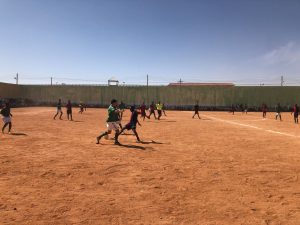
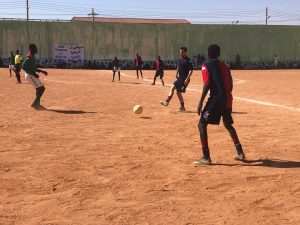
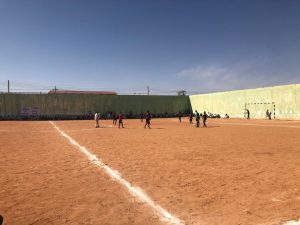
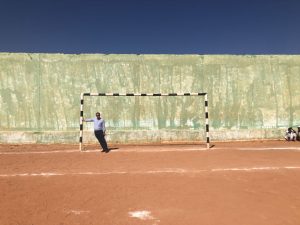
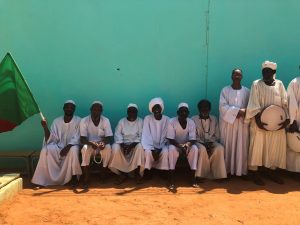
AICS Khartoum opens the doors of Al Huda prison in Khartoum

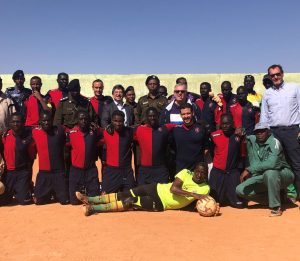
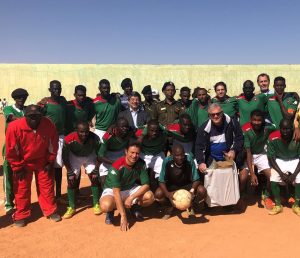
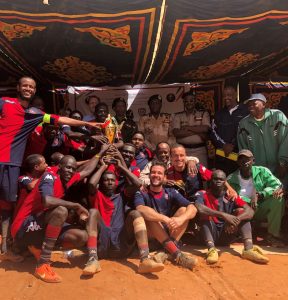
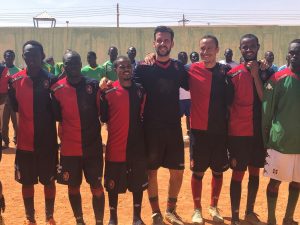
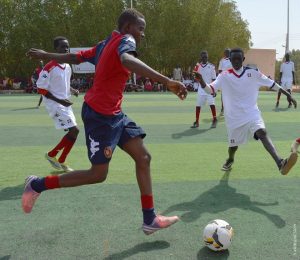
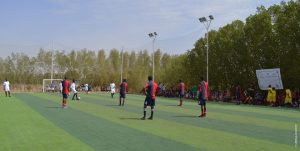
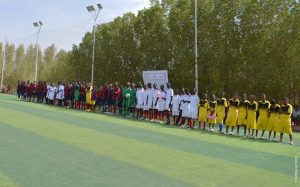
Two out of the fourteen teams in Al Huda prisons played a football game wearing Cagliari Calcio shirts.

The game has been done in line with the slogan Good Health, Good Sport, Good Life.

Positive energy and good vibes characterize the day at the presence of thousand of convicted  supporting either the Italian blue and red Team or the Sudanese green team.

Great Goal of Mattia Edallo, best player in the game!


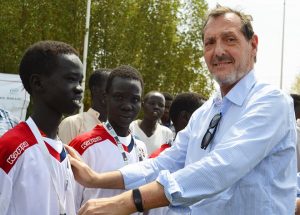
Good health – Good sport – Good life: Street Children conquered by Cagliari Calcio

Sport is a tool for inclusion, participation and social gathering, as well as a tool for psycho-physical and preventive well-being. Moreover, it plays a fundamental social role as an instrument of education and training that allows the development of skills and abilities essential for an healthy development.

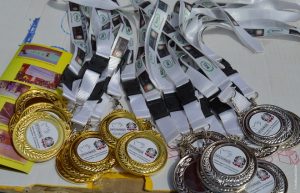
AICS Khartoum organized a football tournament - with support of the Sudanese Ngo Baladna - between 4 teams of Mayo Mandella district who played with sportswear donated by the the Sardinian Team and with the shoes donated by the generosity of some benefactors

The organized activity is in line with the AICS strategy in Sudan aimed at promoting health and social inclusion, integration and equal opportunities. Sport contributes significantly to economic and social cohesion and to a more integrated society.

An hour of play and fun to mark the goal "Good health Good sport Good life".

Italy and the Ministry Education promote the right of an inclusive education for all

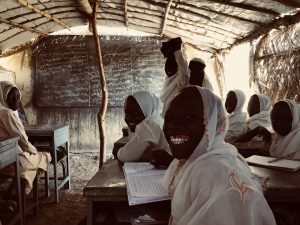
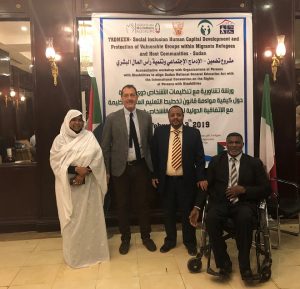
On February 13th, H.E. Mashair Ahmed Alamin, Minister of Education, H.E. Ahmed Mohamed Osman Hamid, State Minister of Security and Social Development, Mr. Bdradeen Ahmed Hassan Mohamed, Secretary General, National Council for Persons with Disabilities and the Director of the Italian Cooperation Office in Khartoum, Vincenzo Racalbuto, open the workshop on inclusive education, organised in framework of Tadmeen Project funded by the Italian Agency for Development Cooperation.

Inclusive Education means accessible environment in the schools; adoption of a no-rejection clause within legislation and inclusive pre-school programs and early intervention support in order to guarantee equitable opportunities to people with disabilities, stated the Minister of Education H.E Mashair Ahmed Alamin concluding that “education is the most powerful investment in our future”.

The Italian Agency for Development Cooperation recognizes that more work is needed to ensure inclusive education. Inclusion is embedded in all aspects of school life, and is supported by culture, policies and every day practices. All children deserve the opportunity to be in school and learn so they acquire the skills and knowledge to thrive regardless of their diverse educational needs, declared AICS Representative in Khartoum, Vincenzo Racalbuto. Italy has a portfolio of 9.7 M Euro in Social Inclusion initiatives aimed at “leaving no one behind”.

The Secretary General of the Council of Persons with Disabilities, from his part, recalled the relevance of the “nothing about us without us” approach, highlighting the importance of partnership and consultation of persons with disabilities in inclusion-related matters in Sudan, especially in education issues, because education is the most powerful investment in our future, concluded Mr. Bdradeen Ahmed.

Italy supports WHO for strengthening the Public Health Security in Sudan, complying to International Health Regulation 2005 (IHR-2005)

On February 11th, at the premises of the Federal Ministry of Health in Khartoum, the Minister of Health H. E Awathaf, the Ambassador of Italy, H. E Fabrizio Lobasso, the Representative of WHO, Dr Naeema Al Gasseer, the Representative of the Italian Agency for Development cooperation Office in Khartoum Vincenzo Racalbuto officially rehabilited five key entry points in al Galabt (border with Ethiopia), El Genina (Border with Chad) Argin, Ashkate, Halfa (border with Egypt) and delivered medical equipment in health centers in gedaref, Red Sea and Kassala and Western Darfur State States.

The intervention is part of the programmed funded by the Italian Agency for Development Cooperation and implemented by WHO aimed at strengthening the Public Health Security of people in Sudan, complying to International Health Regulation 2005 (IHR-2005).

The International Health Regulation is, since 2005, an international commitment for all WHO member States: its main objective is to protect the world population from any communicable disease. Its main pillars are surveillance and control. Sudan is a signatory Country of the IHR/2005 and the IHR is now part of Sudan national health policy and health strategies, stated the representative of WHO Office in Khartoum.

The program is the concrete sign of the Italian Government commitment in the health sector in which Italy is involved with approximately 40 initiatives for a total amount of 42 M Euro (2017-2019), added the AICS Representative Vincenzo Racalbuto recalling that last November six countries – among which Sudan - in WHO’s Eastern Mediterranean and African Regions have signed the Khartoum Declaration on Sudan and Bordering Countries committing themselves to strengthening preparedness and response to public health threats and events across borders in an effort to further the implementation of the International Health Regulations (IHR 2005) and enhance global health security. Italy is proud to support WHO in their effort in Sudan to support the alignment of the country to international Standard.

As you know – declared the Italian Ambassador Fabrizio Lobasso - Italy and EU are strongly engaged in Sudan to ensure the universal accessibility to quality health care for migrants and host communities. Social security and universal accessibility to primary social services is part of the Italian DNA and historical tradition. Moreover, in the present junction, when migration and migrants protection and right to access to global health care is at the top of the international debate, the IHR becomes a cornerstone for world population health security, concluded the Italian Ambassador.